Chapter 1
Open vs enclosed transport
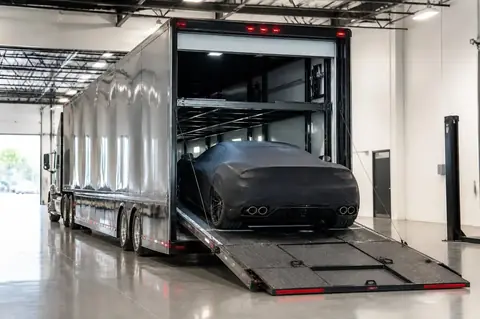
Open carriers move about 90% of shipped vehicles, including every new car delivered to a dealership. They cost less and have far better availability. Enclosed transport adds sealed walls, lift-gate loading and much higher insurance limits. Choose enclosed when the vehicle is exotic, collectible, freshly restored, very low-clearance, or simply worth more than you want exposed to weather and road debris.
Read the open vs enclosed guide →Chapter 2
What actually drives the price
Distance matters, but so does route density - a Los Angeles to Dallas lane has trucks running constantly, while a rural Montana pickup does not. Vehicle size and weight consume deck space. Season matters enormously: Florida-bound lanes spike in October and reverse in April. Anyone quoting you a flat per-mile rate without asking these questions is guessing.
Chapter 3
Understanding insurance
Cargo coverage belongs to the carrier, not the brokerage. Ask for the limit and the certificate. Ours run $250,000 on open equipment and $1,000,000 on enclosed. Your personal auto policy usually does not cover a vehicle in commercial transit, and personal belongings inside the car are never covered.
Chapter 4
How to read a quote
A legitimate quote names the equipment type, the pickup window, the insurance limit and the total price with the deposit broken out. If a price is dramatically below every other quote, it is a bid to win your booking - carriers will decline the load and the price will rise later, usually the week you need to travel.
Chapter 5
Timing and seasonality
Book one to two weeks ahead most of the year. For the snowbird corridors - southbound October through December, northbound March through May - book three to six weeks ahead and expect higher rates. Summer is the busiest overall relocation season nationwide. Winter weather can add days to northern lanes.
Chapter 6
Preparing the vehicle
Wash it so existing damage shows in the photos. Empty it, including toll transponders and parking passes - we are not responsible for tolls or fees incurred while the vehicle is in transit. Leave about a quarter tank of fuel. Disable the alarm. Note any leaks. Photograph every panel, the roof and the interior with a timestamp. Hand the driver a spare key. Ten minutes of prep is the best insurance you will ever buy.
Chapter 7
Pickup and delivery day
Walk the vehicle with the driver, compare against your photos, and make sure the bill of lading reflects reality before you sign. At delivery, inspect before signing again - signing a clean bill of lading closes the door on a damage claim. Inspect in daylight if at all possible.
Chapter 8
Red flags to avoid
A quote given without asking whether the vehicle runs. A large deposit demanded or full payment upfront via Zelle or Venmo. No DOT or MC number on the website. Pressure to book today. Refusal to tell you the brokerage fee. Refusal to provide an insurance certificate. Any of these alone is a reason to keep calling.